Powder Detergents
Powder detergents & spray drying
Counter-current spray-drying technology converts slurry into free-flowing base powder in a single step.
Spray drying tower — operation guide
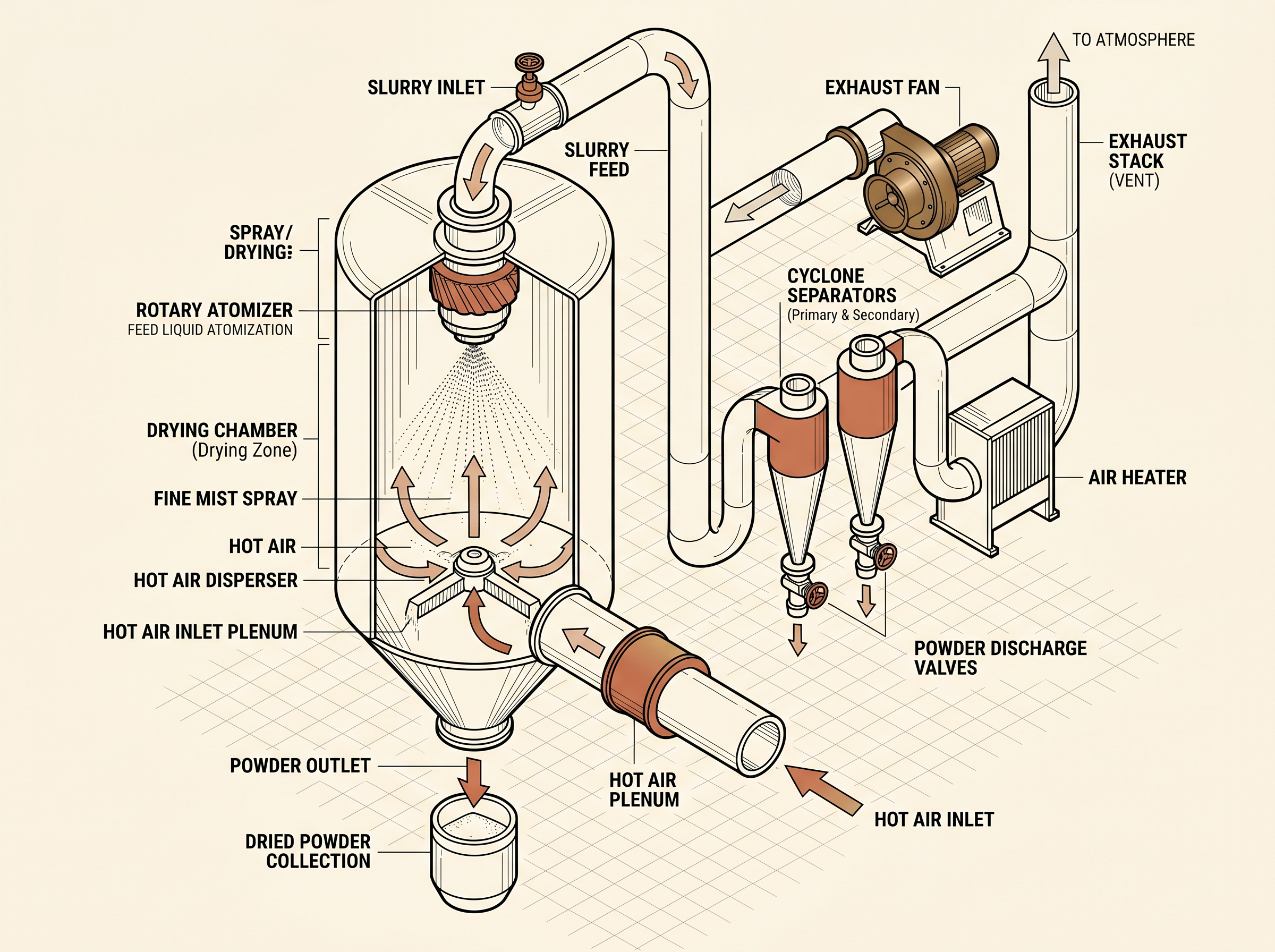
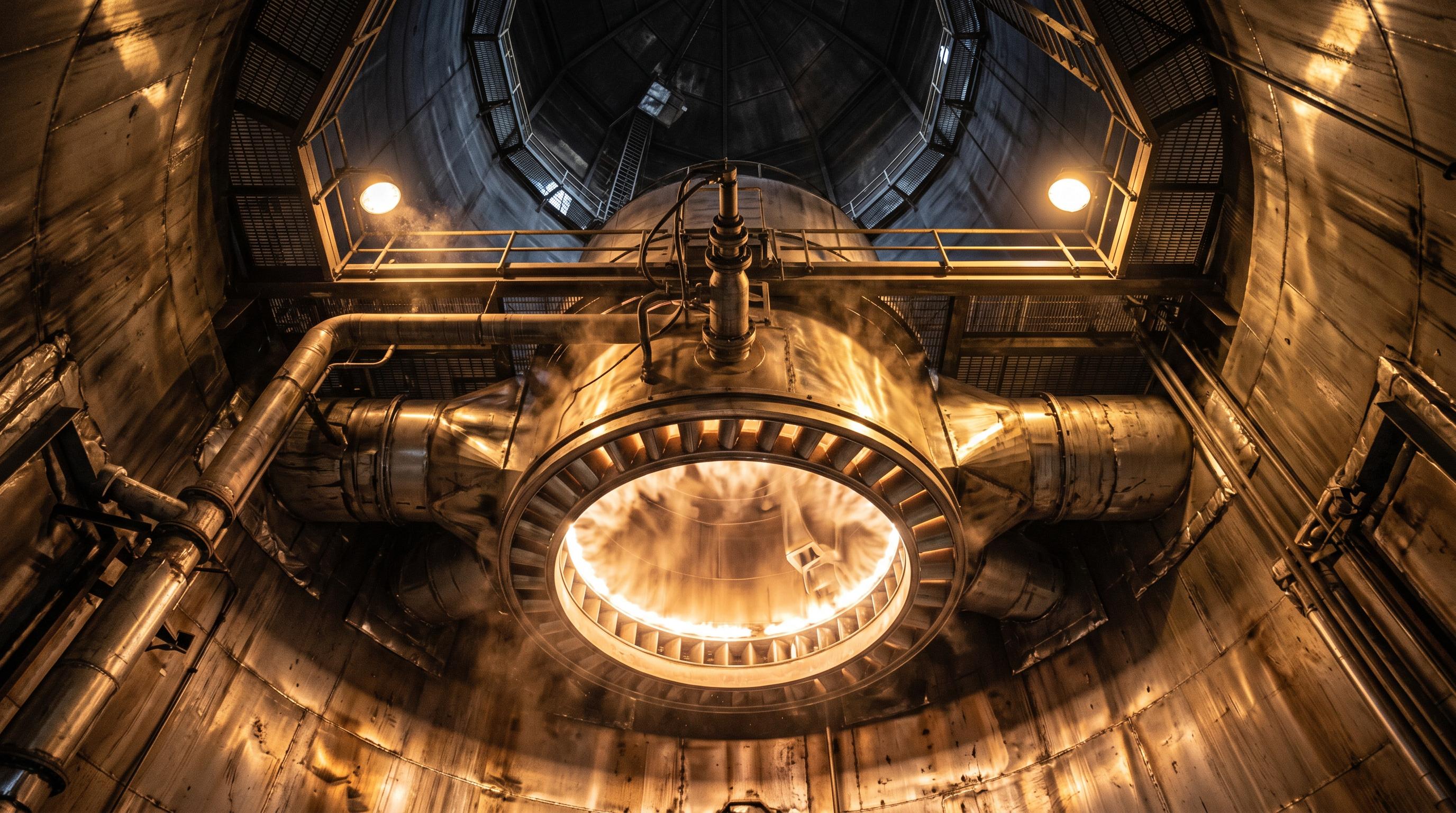
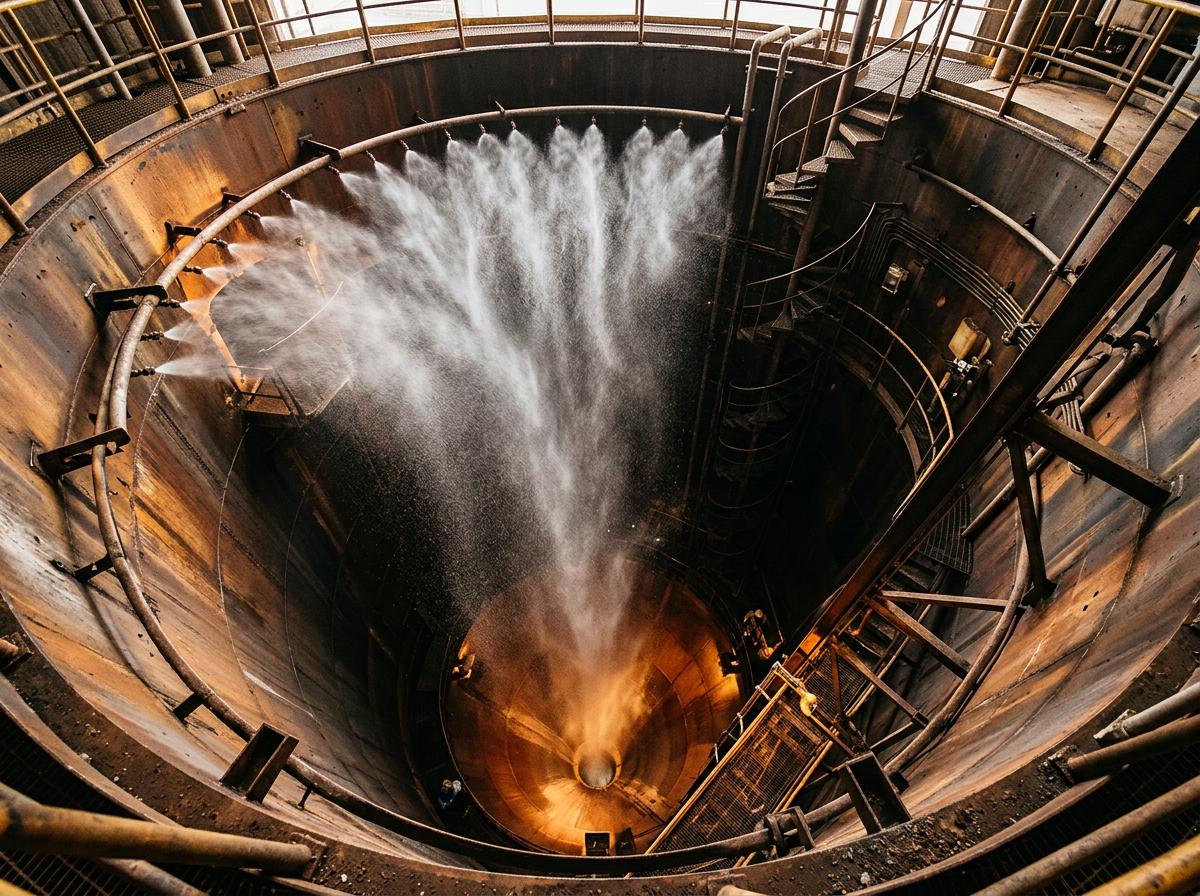
Counter-current spray drying: slurry atomized at 40–50 bar through swirl nozzles meets hot air rising from the burning furnace.
Tower design parameters
- Tower diameter
- 5 m · 7 m · 9 m (standard)
- Production capacity
- ≈ 15 / 30 / 50 tph base powder
- Disengaged height
- ≥ 3 m
- Drying height
- ≥ 5 m
- Plenum ring angle
- 20°
- Hip section
- 0.44 D · angle 60–70°
- Superficial tower velocity
- 0.5–1 m/s
- Atomization pressure
- 40–50 bar
- Nozzle swirl angle
- 55–70°
- Tower superficial air velocity (NTP)
- ≈ 10 m/s
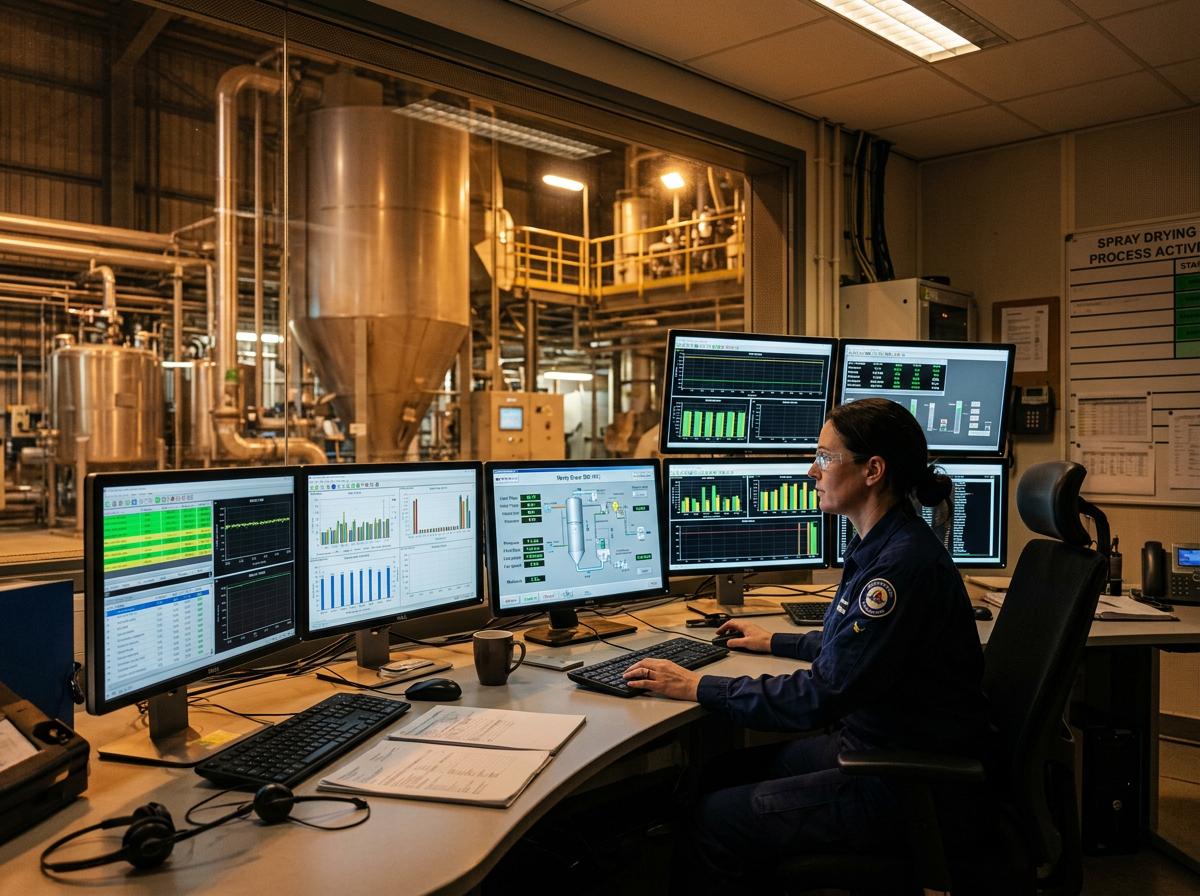
Start up sequence
- 1Close all dampers.
- 2Start exhaust fans.
- 3Open wet cyclone water supply.
- 4Start base conveyor.
- 5Start air inlet fan.
- 6Open fuel valve and ignite the burning furnace.
- 7Open spray jets gradually.
- 8Raise inlet temperature in steps to set point.
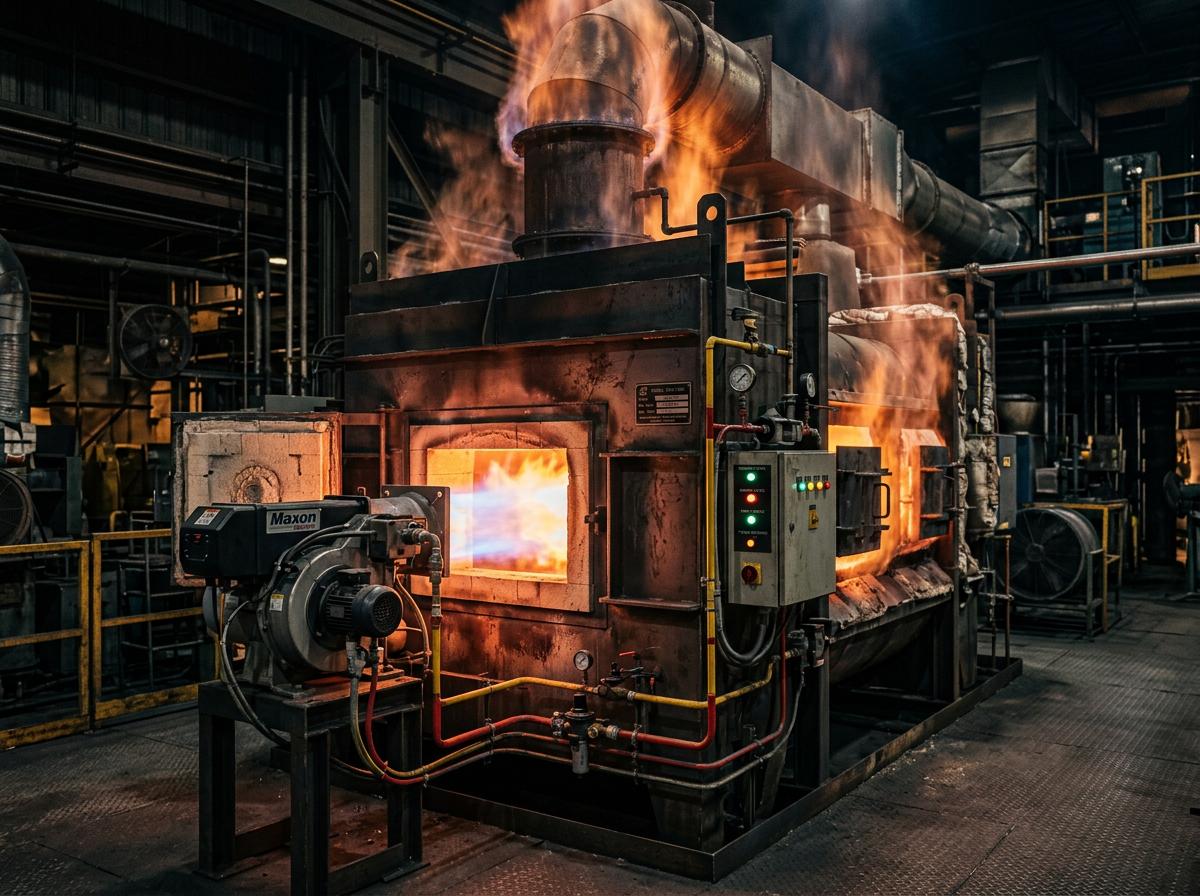
Steady-state control
- 1Inlet temperature controlled by fuel flow rate.
- 2Underpressure controlled by exhaust fan speed or damper position.
- 3Powder moisture controlled by adjusting air inlet flow rate.
- 4Bulk density controlled by slurry de-aeration / re-aeration.
- 5Continuously monitor inlet/outlet temperature, ΔP across cyclones, slurry feed pressure.
Shut down sequence
- 1Divert slurry away from nozzles.
- 2Shut off fuel to the burning furnace.
- 3Shut off air inlet fan.
- 4Shut off air outlet fan when tower temperature drops below 50°C.
- 5Stop conveyors and isolate.
Process equipment
Tanks & silos
- · Slurry preparator
- · Slurry aging tank
- · Spray tower
- · Cyclone dust catcher
- · Air lift vessel
- · Product silo
- · Soda ash silo
- · Zeolite silo
- · STPP silo
- · Sulfate silo
- · Metering silo
- · Nonionic tank
- · Perfume tank
- · Caustic soda storage tank
- · Labsa storage tank
- · Sodium silicate melt tank
- · Treated water tank
- · Hot water tank
- · Recycled water pit
- · Magnetic filter
Pumps
- · Liquid soda feed pump
- · Sodium silicate feed pump
- · Labsa feed pump
- · Caustic soda feeding pump
- · Low pressure pump
- · High pressure pump
- · Recycled water feed pump
- · Water booster pump
- · Diesel feed pump
- · Hot water feed pump
- · Nonionic pump
- · Perfume pump
Fans & blowers
- · Air inlet fan
- · Air outlet fan
- · Exhaust fan
- · End gas fan
- · Air lift fan
- · Combustion air fan
- · Dedusting fan (packing workshop)
- · Dedusting fan (post-blending)
Conveyors & hoists
- · Screw conveyors (soda ash, zeolite, STPP, sulfate, metering)
- · Collector conveyor belt
- · Tower bottom conveyor belt
- · Electric hoist (material)
- · Electric hoist (tower cleaning ring)
- · Wind glass (cleaning ring hoist)
Process equipment
- · Spray nozzles
- · Hot air furnace / burning furnace
- · Hydrocyclone
- · Vibrating screen
- · Product sieve
- · Slurry crusher
- · Post-addition mixer
- · Bag filters (hopper, air lift vessel, packing, post-blending)
- · Ni-Si mixer
- · Ni-Si temp tank
- · Bin vibrator
PLC process sections
Raw material dosing
- · Powder conveyors
- · Liquid valves
- · Weighing systems
Slurry preparation
- · Mixer
- · Slurry tank
- · Pumps
- · VFD drives
Spray drying tower
- · Burner
- · Combustion fan
- · Inlet / exhaust fans
- · Temperature & pressure control
Post-blending
- · Powder mixing
- · Additive dosing
Liquid storage
- · Tank farm
- · Feed pumps
ESD safety system
- · Emergency shutdown with temperature and pressure switches
Powder formulations
Every formula is published in three levels — Popular, Mid-Tier and Global / Premium — so you can match cost, performance and market positioning.
Laundry powder
Spray-dried base powder with builders, fillers and post-blended additives.
| Ingredient | % | Function | Notes |
|---|---|---|---|
| LABSA (96%) | 10.00 | Anionic surfactant | — |
| SLES (70%) | 2.00 | Anionic co-surfactant | — |
| STPP | 15.00 | Builder, sequestrant | — |
| Soda ash | 20.00 | Alkalinity | — |
| Sodium sulfate | 35.00 | Filler | — |
| Sodium silicate | 7.00 | Builder | — |
| CMC | 0.80 | Anti-redeposition | — |
| Optical brightener | 0.15 | Whitening | — |
| Perfume | 0.30 | Fragrance | — |
| Water | 9.75 | Slurry water | — |
| Total | 100.00 |
Bulk density control
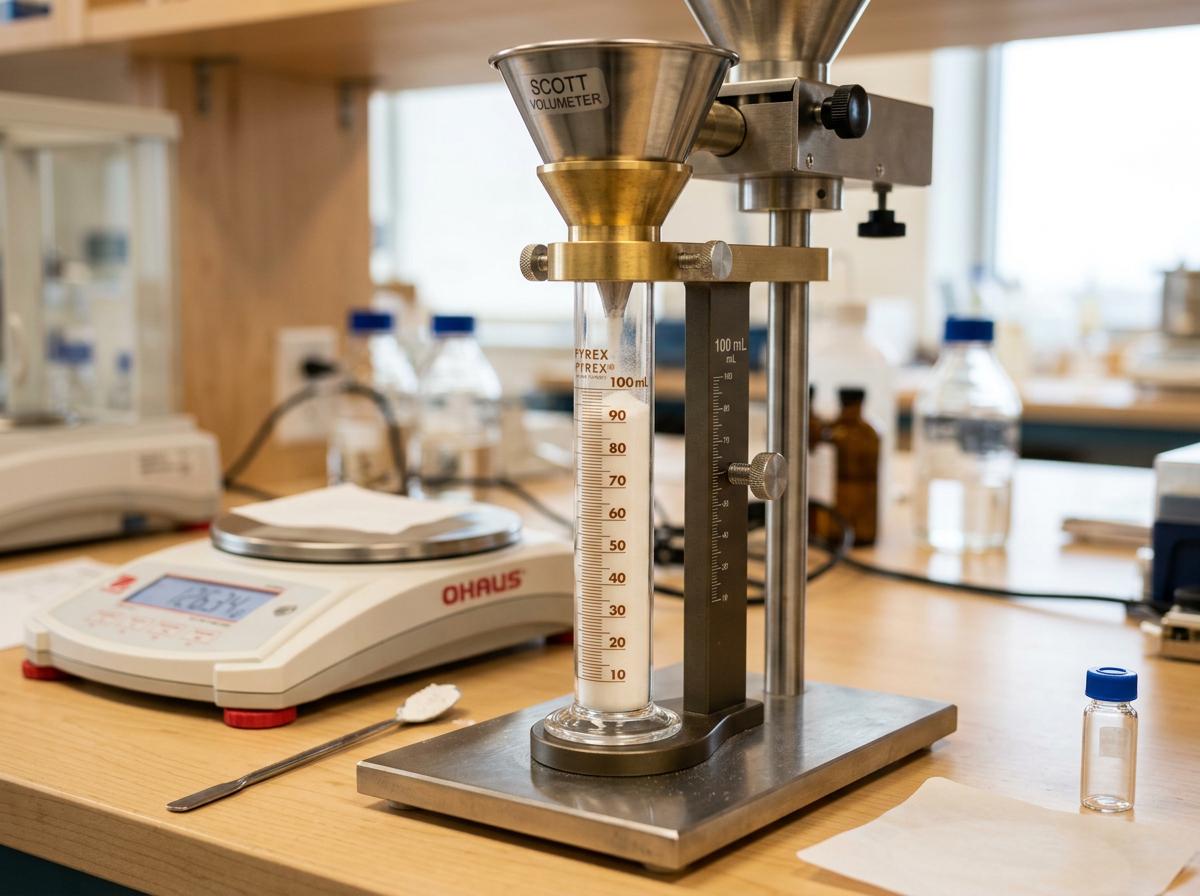
Powder bulk density is the most operator-visible quality lever and is controlled at three points:
- Slurry side: water content, electrolyte (sulfate) loading, builder choice (zeolite vs silicate), slurry age.
- Atomization: nozzle pressure (40–50 bar), swirl angle (55–70°), nozzle wear, slurry temperature.
- Drying: inlet temperature, exhaust ΔP, slurry de-aeration and re-aeration in the slurry preparator.
Increase BD by reducing aeration, increasing inlet temperature, raising filler ratio, and using fresh nozzles. Decrease BD by adding controlled aeration, lowering inlet T, and trimming sulfate.
Powder testing
| Parameter | Definition | Target / range |
|---|---|---|
| Bulk Density (BD) | Weight / Volume | ≈ 500 kg/m³ |
| Dynamic Flow Rate (DFR) | Volumetric flow / time | > 100 mL/s |
| Compressibility | (ΔV / V₀) × 100 | < 20% |
| Particle size (d10/d50/d90) | Sieve test | ≈ 250 / 500 / 800 µm |
| Solubility | % retained on 120 µm after 2 min | Tested at 20 / 40 / 60 °C |
| Dispensing | % residue in compartment | ≈ 0 |
| Caking | Storage tests | Ambient · 28°C/70% RH · 37°C/70% RH at 4 / 8 / 12 weeks |